Why Choose B.Des in Communication Design: Scope, Career and Future Trends
08 Sep 2025
Not all students want a rigorous, formulaic career path. There are many who are creative and want to take up something different. That is why many students are moving towards B.Des in Communication Design. This course dives into visual storytelling, branding, animation, and interactive media. As a very creative programme, aspiring designers who follow through with it can get opportunities across diverse industries, especially on the creative side, like advertising, digital media, technology, publishing, and entertainment.
Digital communication, along with immersive content, is growing. That is why graduates of this degree are upskilling themselves so that they can meet the rising demand of this space where creativity merges with strategic thinking. It is a field that encourages innovation and keeps students relevant in an immersive and purpose-driven future.
Let’s dive into the scope of the programme and cover career opportunities. We will also look into eligibility, fees, and future industry directions.
Scope and Career Opportunities After B.Des Communication Design
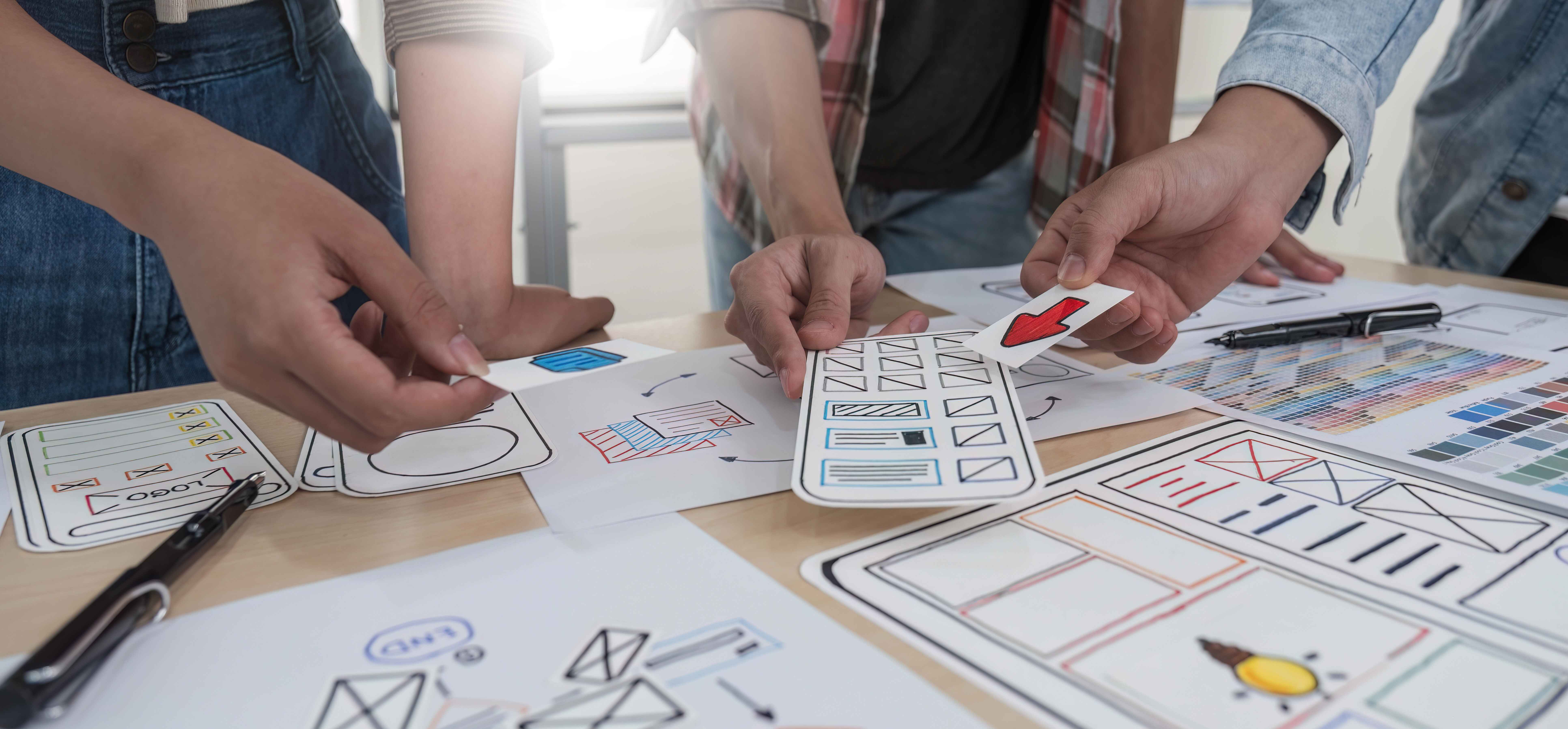
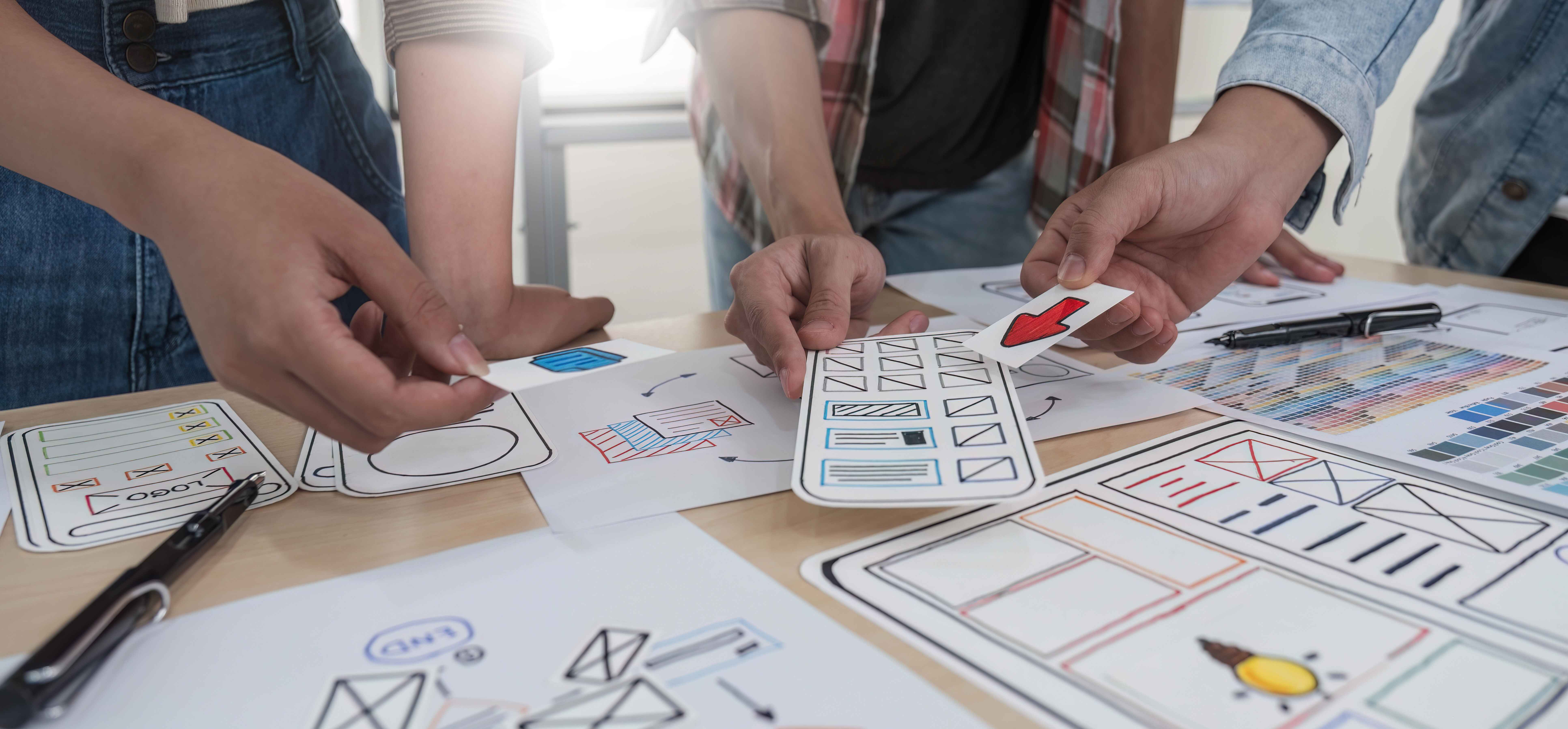
A B.Des in Communication Design is a programme designed for the fast-growing creative economy. Students learn that design, storytelling, and technology do not work in silos but together. The program focuses on creating designs where communication is clear and can create a connection with people. On top of that, the design should solve practical problems across industries.
Career Roles You Can Explore
Communication Designer: In the role, you will craft powerful visual narratives. The narratives should be such that they convey brand values and user messages.
UI/UX Designer: A brand’s UI/UX is its identity, too. The designer can build user-friendly interfaces for apps, websites, and digital platforms, keeping brand values intact.
Graphic Designer: Design collaterals that focus on brand identity. This would also include packaging, digital campaigns, and publication layouts, driving user engagement.
Art Director: Become the leader of creative teams and review what the visual direction would be across ad agencies, studios, or design consultancies.
Motion Graphics Artist: Engaging in dynamic storytelling. This role lets you animate stories and bring concepts to life through dynamic visuals for social media, film, OTT platforms, and advertising.
Animation and VFX Designer: Storytelling is combined with technical artistry. It can produce high-end visuals for games, films, and TV.
Visual Storyteller: This is the space where photography blends into illustration and text and thus, transforms into compelling visual pieces across journalism, publishing, and digital content.
Game Designer: Build on concepts like visual assets, character design, and storytelling components of interactive game worlds.
Branding Strategist: Creating memorable, coherent, and strategic visual identities across multiple touchpoints.
Skill Development Across the Programme:
The B.Des in Communication Design programme comes with a few skill sets that students will take up and eventually master. Some skills are typography, colour theory, motion graphics, layout systems, interactive storytelling, and responsive design. You may want to design a minimalist logo or an immersive AR experience. This course helps you build both aesthetic sensibility and functional design thinking.
Eligibility and Course Fees
Eligibility for B.Des Communication Design
For a B.Des. in Communication Design, you must have:
Completed Class 12 (10+2) or its equivalent from a recognised board, in any academic stream
Minimum aggregate mark of 50% (some institutions may vary)
Entrance exams may include NIFT, UCEED, NID-DAT, or CUET, depending on the institution.
Course duration and format: The programme is generally 4 years in duration, typically divided into 8 semesters.
What you get: hands-on learning, workshops, projects, and real-world exposure.
Course Fees
Fee ranges for this degree vary widely based on the institution:
Lower-tier institutes charge around ₹60,000
Mid-range colleges may range from ₹3 lakh to ₹10 lakh
Premium institutions go up to ₹54 lakh for the full programme.
Future Trends to Watch
Communication design is a scope that’s rapidly evolving with technology and audience behaviour. Stay ahead by focusing on areas such as:
Interactive Media and UI/UX: Designers crafting immersive user experiences across apps, websites, and digital platforms are in demand.
Motion Graphics and Animation: Motion designers are on the rise as social media content creators are using motion graphics to enrich their content, and brands are trying to keep up.
Visual Storytelling and Branding: Designers need to internalise the brand dynamics well. Then, they can go for end-to-end brand storytelling, including logo design, campaigns, and brand identity systems.
Game Design and AR/VR Experiences: Experience-focused media engages people almost immediately. Communication designers can help create engaging narratives in virtual environments.
Cross-Platform Content Design: Designers should be able to go for multi-channel storytelling, which could include mobile to print to interactive installations.
These trends align with evolving career opportunities after a B.Des. in Communication Design, and all these are high-impact roles designed for engaging communication.
Conclusion
Digital-first communication is the future. Skilled communication designers will be in demand for a long time as brands continue evolving in the digital space. A B.Des. in Communication Design brings the creative, technical, and strategic skills to build a future-proof career. Students understand how visual storytelling and design strategy work to engage people and then can create that engaging impact in advertising, technology, publishing, entertainment, and beyond.
If you aspire to shape brand narratives and design meaningful experiences, this degree offers the perfect starting point.
1.What subjects are taught in B.Des Communication Design?
Core subjects typically include visual communication principles, typography, branding, digital illustration, motion graphics, UI/UX design, storytelling, animation fundamentals, design history, and portfolio creation.
2.What is the minimum eligibility for B.Des Communication Design in India?
Students must have completed Class 12 from any stream with a minimum of 50% aggregate marks (specific requirements may vary by institution).
3.What are the career options after completing a B.Des. in Communication Design?
Graduates often become graphic designers or UI/UX designers and then may move on to advanced roles like art directors. They can also be motion graphics artists, visual storytellers, game design creators, branding strategists, and animation/VFX artists.













 ADDRESS