Top Specialisations in Communication Design in India
01 Oct 2025
If you think communication design is only about 'making things look good,' you’re not entirely wrong, but that’s only the starting line. The field has moved far beyond visuals. Today, it blends storytelling, behaviour science, digital systems, and a bit of experimentation. It’s about building experiences people understand without overthinking. Interfaces that feel intuitive. Campaigns that hold attention. Content that sparks action.
India’s seen a real shift here. If you're someone who thinks visually, likes solving messy problems, and enjoys working across media, communication design could be your playground. But within that playground, there are different lanes. And choosing the right one? That can change the kind of designer you become.
This blog breaks down the top specialisations in Communication Design in India, what they mean, and what kind of work you’ll actually do.
Why Communication Design Needs Specialisation Now?
Design is no longer a 'one-size-fits-all' profession. A UI/UX designer’s skillset is wildly different from someone working in animation or branded content. Everyone wants to hire designers, but not everyone knows what kind of designer they actually need. That’s where specialisations come in.
When you specialise, you build a unique skill set that makes you stand out. It’s not just about tools anymore. It's about thinking like a strategist, creating like a designer, and executing like a storyteller. Employers want people who can connect dots across visuals, content, and behaviour. A specialisation programme doesn’t box you in early. Instead, it opens up multiple tracks once you’ve got the basics nailed down, so by the time you pick a specialisation, you're making an informed choice.
Top Communication Design Specialisations to Watch
Let’s look at the specialisations within communication design that are gaining momentum.
1.User Experience (UX) and User Interface (UI) Design
Think of any app you use daily, like Spotify, Zomato, and Instagram. Their success hinges on how people interact with them. That’s where UX and UI come in.
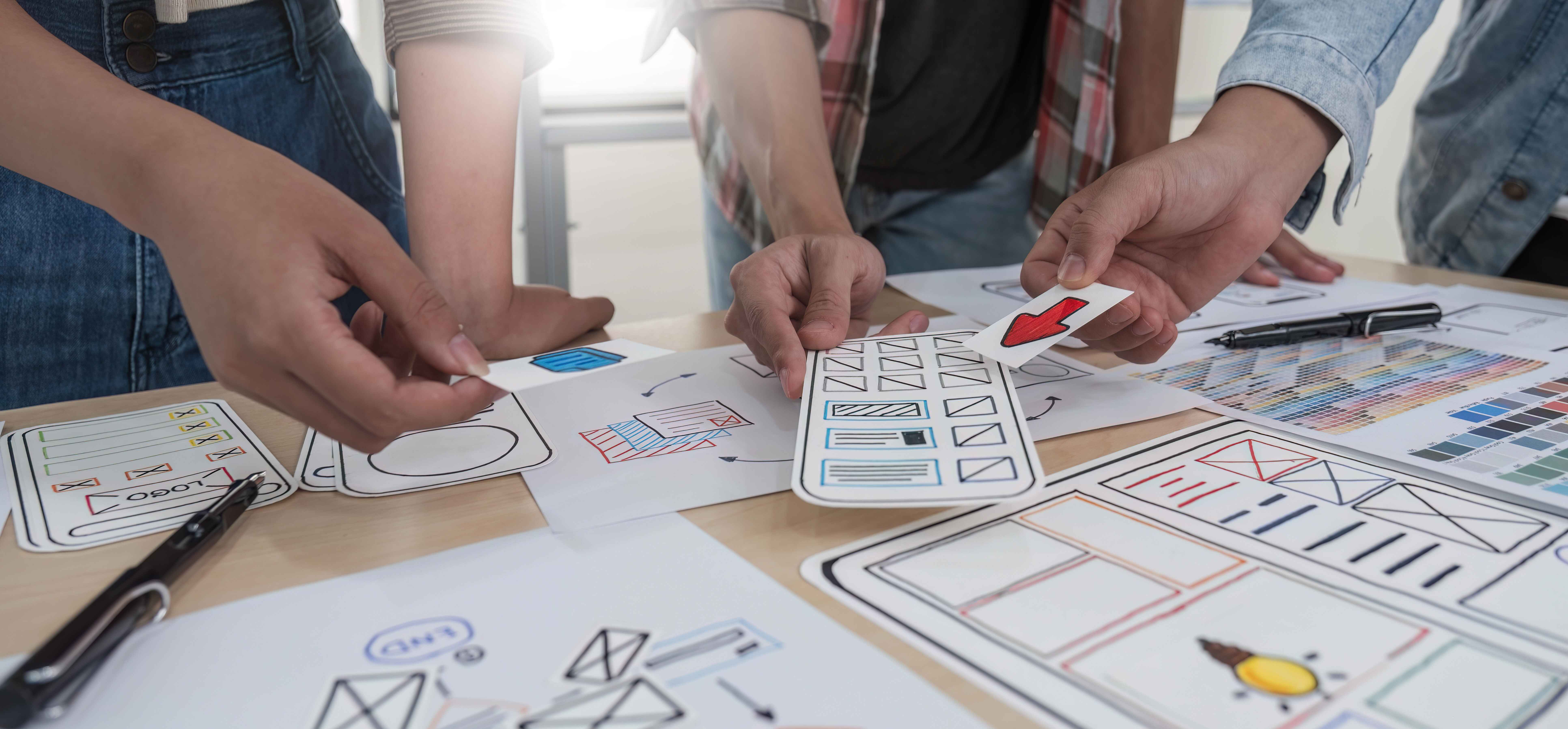
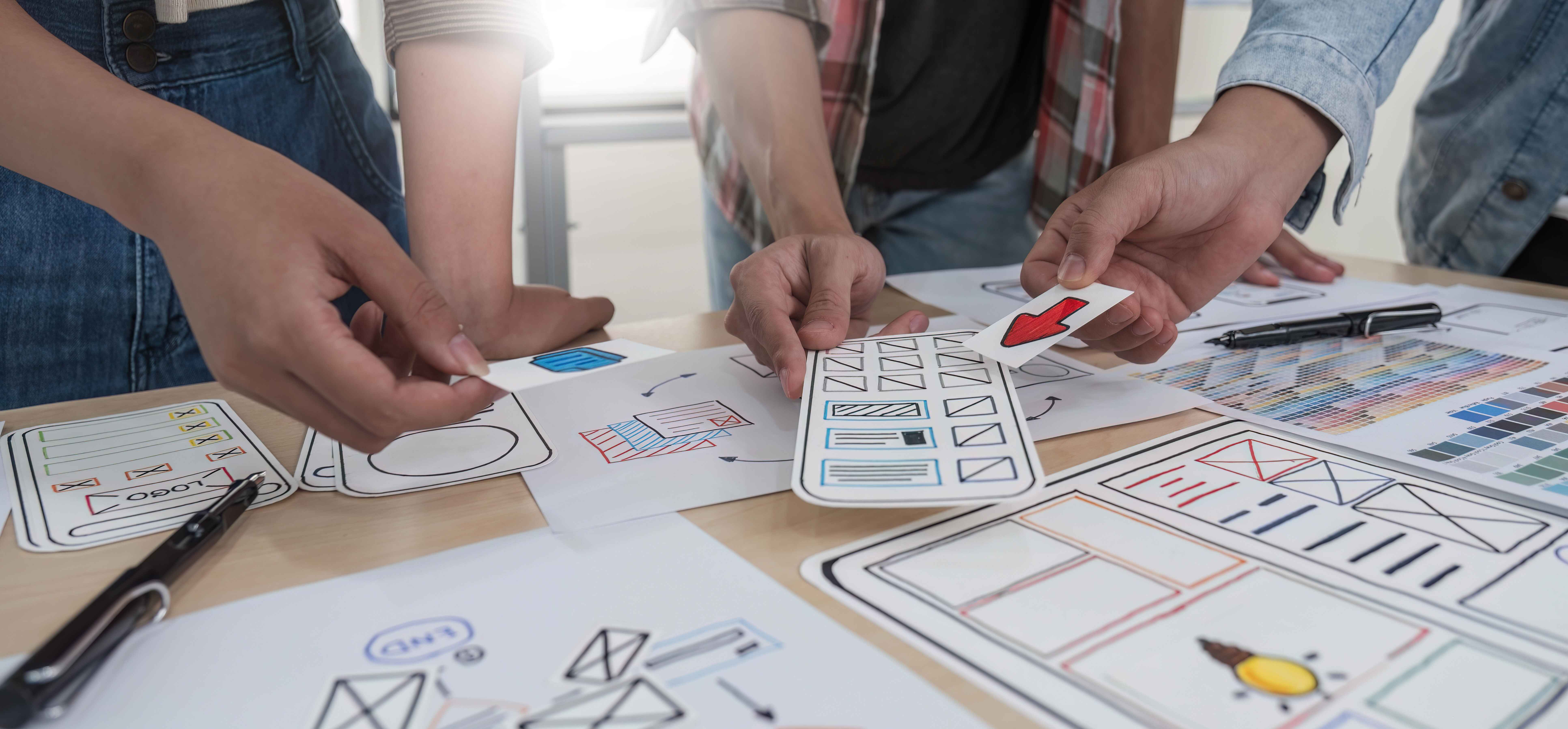
UX Design focuses on the user journey. What happens when someone opens the app? Where do they click? Is it smooth or frustrating? UI Design is about the visual layer, the buttons, icons, colours, and typography. Together, they shape how a product 'feels.' But it’s not just about creativity. UX/UI designers study behaviour. They run usability tests. They work with product managers and developers. This is where design meets psychology and data.
With startups, fintech, edtech, and healthtech booming in India, UX/UI professionals are among the most hired design grads today.
2. Motion Graphics and Animation
This specialisation is for those who think in frames, not pages. Motion graphics isn’t just cartooning. It’s explainer videos, transitions in mobile apps, animated logos, and product teasers.
In India, the demand for motion content has spiked with the rise of YouTube Shorts, Reels, and interactive ads. Even government campaigns use motion graphics to explain policies. Tools like After Effects, Blender, and Cinema 4D are bread and butter here. But more than tools, students need storytelling instincts. Every animation has a pace, a rhythm and a goal.
With this specialisation, you can work as a Motion Designer, VFX Artist, Animation Director, or an Explainer Video Specialist
3. Advertising and Brand Communication
Students who go into this specialisation learn more than just design. They understand how brands speak, look, and behave across platforms. They build visual identities, shape tone of voice, craft campaign visuals and often find themselves part of brainstorming sessions with real clients.
What really matters? Consistency. From Instagram posts to product packaging to web banners. That’s the thread communication designers are trained to hold.
This path leads to roles like Art Director, Brand Designer, Campaign Visualiser, or even a Creative Strategist who connects the dots between messaging and design.
4. Visual Storytelling and Illustration
Not every design student wants to work with grids and templates. Some have their own style. They draw characters, think in metaphors, and tell stories through colours and symbols.
This stream is for them. Illustration is booming in edtech, publishing, children’s content, and even digital comics. Students build portfolios. Many go freelance. Some start personal brands.
The trick? Finding your own voice. Not copying trends. The best illustrators get known for their 'style', that one thing that makes you go, oh, I know who made that. And yes, there’s real money here if you know how to package your work.
5. Information and Editorial Design
Companies, think tanks, NGOs, they’re always putting out reports, policy briefs, research documents. But nobody wants to read 50 pages of plain text. That’s where this specialisation steps in.
Students learn how to break content into digestible parts. Use hierarchy. Clean typography. Visual cues. Infographics. It’s not flashy. But it’s incredibly useful. And respected. Especially in sectors like policy, journalism, or academia where clarity beats creativity.
If you like structure and don’t mind long documents, this one’s worth considering.
6. Design for Social Impact
Not every designer wants to work on e-commerce banners or product ads. Some want to work on menstrual hygiene, literacy, sustainability, or accessibility. Social impact design gives them a toolkit.
Students here work with NGOs, social enterprises, government bodies. They design toolkits, awareness posters, low-data apps, and visual guides. The goal? Make the hard stuff simple. Make it reach the people who need it.
How to Choose a Specialisation That Works for You
Not every student knows from day one what they want to specialise in. That’s okay. Here’s a smart way to approach it:
Start broad: In your first year, explore all the tools, Adobe Suite, sketching, prototyping, visual research.
Notice what excites you: Is it layouts or motion? Grids or gestures? Campaigns or culture?
Talk to seniors and mentors: Find out what it’s like working in different domains.
Look at your own media habits: Are you drawn to product interfaces, magazine spreads, or motion reels?
Conclusion
The future of communication design isn’t locked into a single screen or platform. It’s dynamic, layered, and deeply interdisciplinary. Whether you want to build intuitive interfaces, animate bold narratives, or design for virtual dimensions, your path starts with choosing a curriculum that doesn't clip your wings.
Design thinking is reshaping industries (from healthtech to fintech), and with it comes a demand for specialised design professionals. But while most design schools in India stop at the basics, Manav Rachna’s B.Des in Communication Design pushes into frontier territory.Students don’t just learn tools, they apply them. Build campaigns, test ideas, fail, refine, and try again. It’s training for real-world complexity, not textbook scenarios.
Design is no longer a support function. It’s strategic. And if you’re looking to shape stories, products, or experiences that matter, this is where that journey begins.
FAQs
1.What is the scope of communication design specialisations in India?
Specialisations like UX/UI, branding, motion graphics, and editorial design have strong demand across tech, media, e-commerce, and consulting industries. Many graduates work in design studios, startups, NGOs, or pursue freelance projects.
2. Do I need to know coding for UX/UI design?
Not necessarily. While basic HTML/CSS helps, UX/UI designers focus more on user flows, wireframes, and visual design. Developers handle the backend. What’s essential is understanding user behaviour and prototyping tools like Figma.
3. Can I mix more than one specialisation?
Absolutely. In fact, many designers today are hybrid professionals, like a UX designer with a motion background, or an illustrator who also does editorial layouts. Blending streams often leads to a stronger portfolio.










 ADDRESS