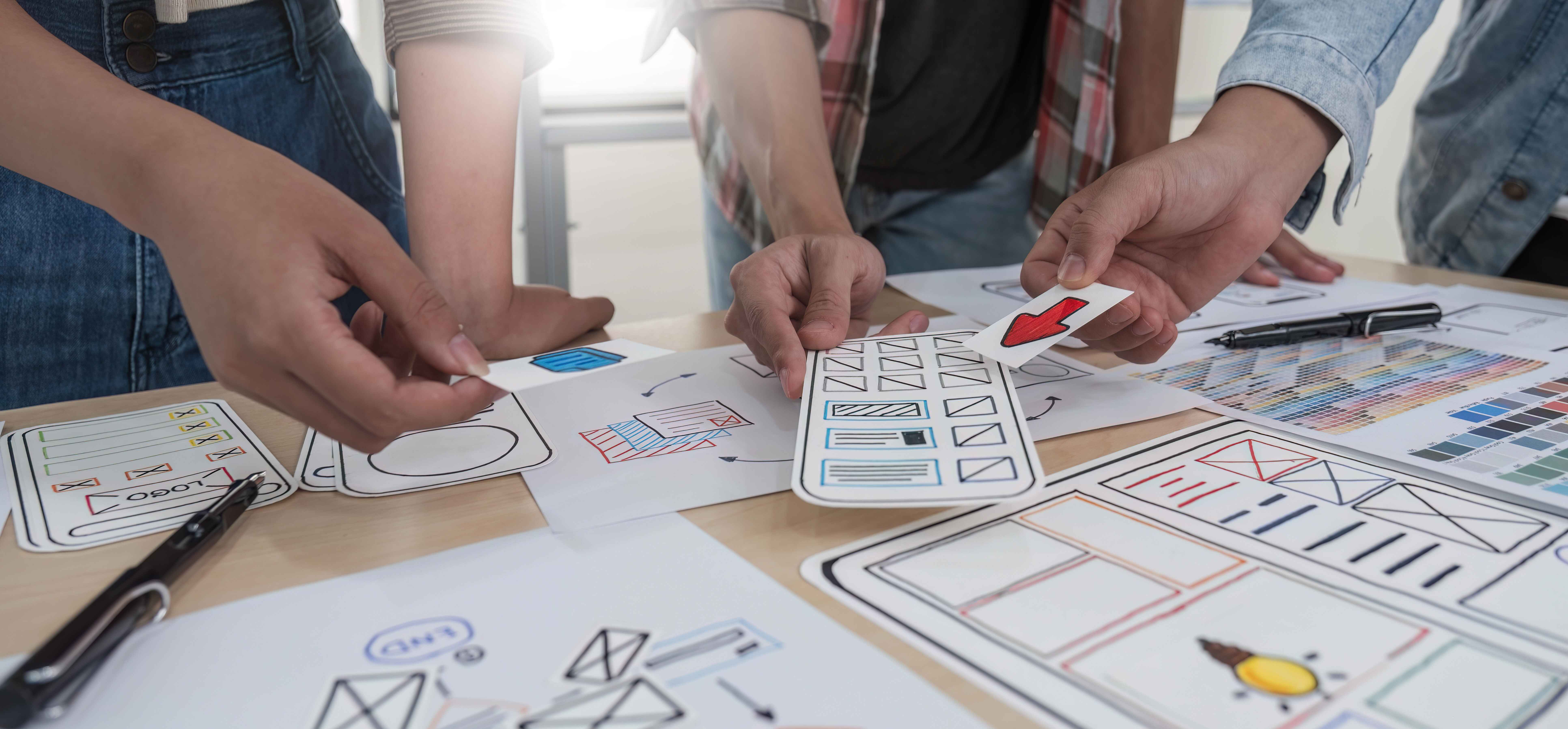
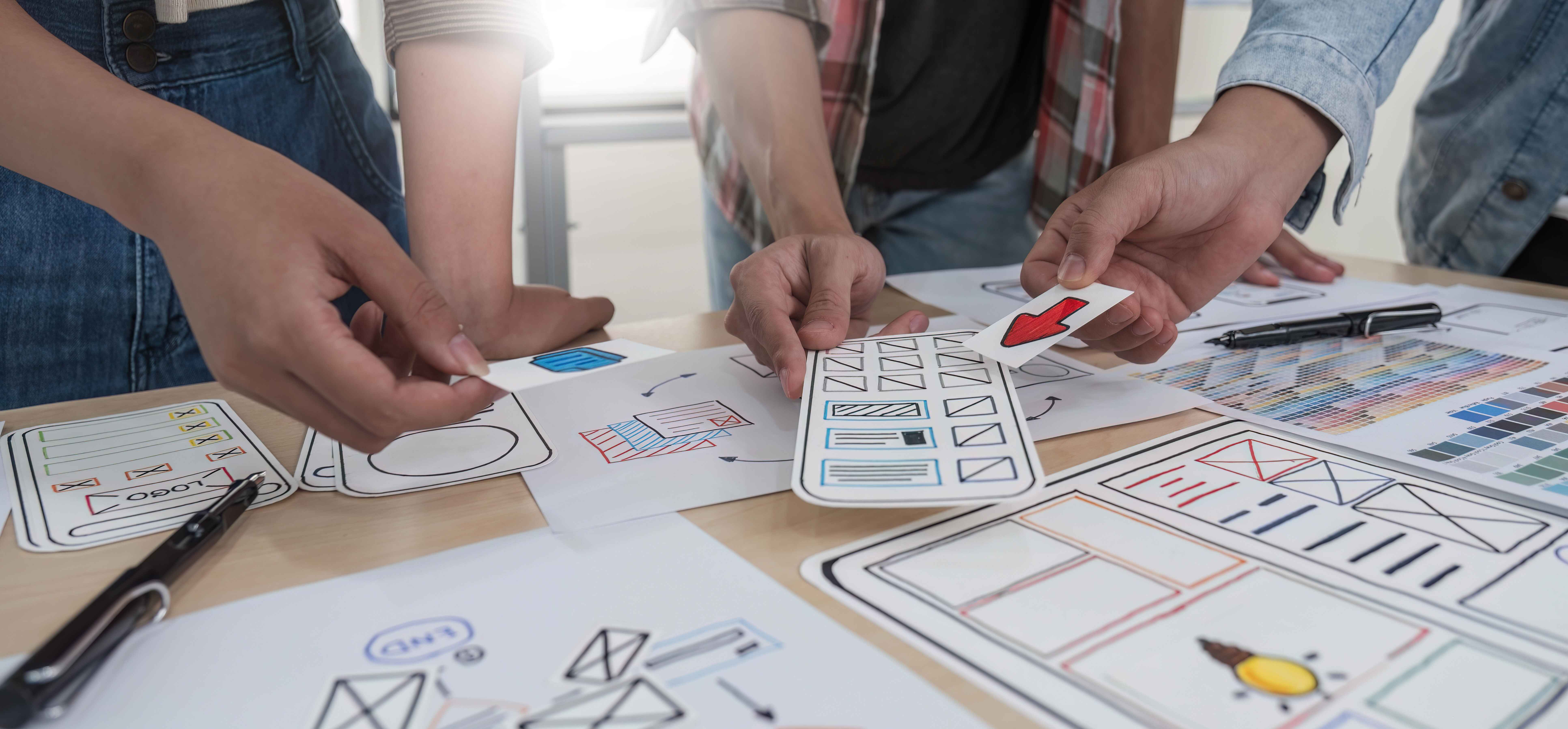
Both exciting and challenging are the terms that would best describe the experience of finishing school and choosing a career path. Students who are attracted to creative activities may find that fashion design can become their favorite way of life, no matter whether it is the designing of the clothes, the exploration of the textiles, the visual storytelling, the interiors, or the mixing of the art with the technology. Worldwide fashion and design are in the top list of the fastest growing industries, which means the creation of job opportunities not only in the traditional roles but also in the new areas like virtual fashion, design technology, and sustainability consulting that are coming. Career paths, modern job roles, the effect of AI on design education, and the anticipated industry are some of the topics discussed in this blog.
Why Choose Fashion Design?
With more than 1.7 trillion dollars, the global fashion industry ranks as one of the most valuable industries in the world, and the trend of its annual growth continues. In India, the design industry is expected to rise by 23-25% per year, following the growth of retail, e-commerce, luxury consumption, and the government's initiatives for textiles and design-led industries. The field, which is mostly known for its glamour, still carries a huge weight in the country’s exports, job opportunities, and cultural influence. It means that for the youth of today, there will be the chance of working in big firms as well as the possibility of becoming entrepreneurs.
Core Career Pathways
Students pursuing a bachelor’s degree in fashion or design can specialize in multiple areas:
Fashion Design
Fashion Merchandiser
Textile & Surface Design
Luxury and Retail Design
Fashion communication Design
Lifestyle Design
Fashion Accessory Design
Knitwear Design
Leather Design
Best Colleges and Specialization in Design Programs
The selection of the right institution is important to students who want to pursue a career in fashion and other related design areas. A brief comparison of the major institutes in India and internationally with their specialization is provided below:
Well-rounded curriculum; emphasis on communication & digital design
New-Age Careers after a Fashion Degree
Graduates today are not restricted to conventional roles. Modern career paths include:
Digital/3D Fashion Designer
Fashion Data Analyst
Fashion Technologist
Sustainability Consultant
Virtual Stylist
E-commerce Merchandising Specialist
Social Media Fashion Strategist
Innovation Manager
Impact of AI on Fashion and Design Education
Technology, among which Artificial Intelligence (AI) is the most significant, has transformed the fashion industry in an undisputed way. Instead of discontinuing the human creative aspect, it performs the role of a supportive tool that makes the processes more efficient and more intelligent. The following are few ways in which it is implemented in design class and workshops:
Faster Brainstorming: AI tools can suggest color combinations, materials, and even quick mock-ups within no time, which in turn gives students more time to work on their own ideas.
Smarter Sampling: CLO and Browzwear are the two tools that are used for 3D fittings which help issues related to fabric waste and also expedite the stage of trial and error of the design.
Trend Insights: AI combines consumer choices and sales data to depict the potential of styles becoming popular in the near future more clearly. Portfolio Enhancement: AI-generated visuals can make a presentation more attractive but the main thing is to show your own logical thinking and problem-solving skills.
Updated Learning: Colleges are implementing modules on digital design, the ethical use of AI, and sustainability so that students acquire future-ready skills upon graduation.
Future Scope of a Bachelor’s in Fashion
For about the next four to five years, a degree in fashion design will still be valuable, but the attention will be more diverse. Some emerging trends are:
E-commerce and retail are going to be more in demand
India is going to be the new sourcing hub: As the global brands are looking for different places to manufacture, India is going to be the new exporter
The technical textiles are going to get more and more developed: The sectors like protective gear, healthcare fabrics, and automotive textiles are establishing specialized jobs.
The roles such as sustainability will be the focus.
The fashion of the future will be digital: There will be a greater need for digital garments.
The combination of different types of jobs: The careers such as fashion data scientist or personalization lead which requires the use of both analytics and design will become more important.
Industry Outlook in India
The fashion and textile industry in India is expected to keep on growing at a stable rate which will largely be driven by government support, changes in policy, and demand from the international market. Some major points are:
Market Growth: The sector has become a major contributor to the country’s export basket and is likely to grow even more in the following 5 years.
Job Creation: The employment opportunities will be created in large numbers in areas like design, merchandising, technical textiles, and digital commerce.
Technical Textiles: This category will grow at a rapid rate and will offer additional employment opportunities not only in the clothing industry, but also in the car, military and medical fields.
How Students Can Prepare?
Should make a diversified portfolio that not only shows their skills but also contains the work done in 3D and the products created in the workshop.
Must develop competence in 3D instruments like CLO, Browzwear, and Adobe Creative Suite, and they should also learn Figma for UI/UX design.
Choose to take short courses that focus on AI applications in design, the environment, or data analytics.
Should get as many internships in fashion houses, with artisans, and at tech startups as they can so that they become familiar with the industry.
Follow the sustainability activities and also try the eco-friendly materials.
Conclusion
Careers in fashion and design are not just about the glitz and glamour that people imagine - they revolve around one’s ability to be innovative and creative, and finally, to solve a problem. With India rapidly becoming one of the major manufacturing hubs for the world, the fashion industry is also feeling the effects of e-commerce and AI. Students who not only have flair for art but are also adept at technology will thereby be closer to reaping the benefits of these changes.Parents should rather be the pillar that supports their children’s zeal and passion for fashion and design but at the same time have faith that these careers are stable and rewarding.
FAQs
1.Do I need to be good at drawing?
Not necessarily. Creativity, ideas, and reasoning out a problem are the skills that an institute would be looking for, in which and not only the mere artistical skills.
2. Which entrance exams should I prepare for?
NIFT, NID, UCEED, CEED, and AIEED are the top options.
3. Can commerce or science students apply?
Yes, indeed. Any student from any educational background is allowed to study design courses.
4. What is the scope of fashion designing in India?
The scenario of fashion designing in India is gradually changing as the country’s e-commerce, luxury, and retail sectors are experiencing rapid growth. So with the mentioned three industries, fashion designing will have a great scope in India.
5. Are short-term diploma courses useful?
Yes, mainly, they provide students with hands-on industry exposure and training in a considerably shorter period of time, especially when they take up other degrees as their main course.












 ADDRESS