Master in Design (M.Des) 2025: Admission, Syllabus and Career Scope
17 Sep 2025
Design may have once been seen just as a creative endeavour. Now, however, it has become a lot more, as creative presentations are slowly becoming ways of branding and marketing for top brands. So, design is now a mix of strategy, innovation, and impact, as well as creativity. Currently, industries are going through digital transformation, sustainability practices, and user-centred solutions. In this flux, the role of designers has expanded, as they can identify what users can connect with and interact with and thereby create visuals to shape experiences, systems, and products, influencing people’s attention and interactions.
A Master's in Design (M.Des) provides the platform for graduates and professionals to hone their design abilities in a more professional space. The programme develops creative thinking, research capabilities, and technical proficiency. It also puts you through courses that can help you get leadership roles in communication design, product design, interaction design, and design management.
Let’s understand how M.Des admissions in 2025 work. We will dive into eligibility, entrance exams, syllabus, career opportunities, and future scope so that you take the right steps when you take this course.
Eligibility and Admission Process for M.Des 2025
For M.Des admission in 2025, here’s what you need to know:
Who’s Eligible?
The master's in design course eligibility typically includes:
A bachelor’s degree in Design, Architecture, Fine Arts, Engineering, or equivalent fields
Minimum 50–55% aggregate in graduation (may vary by institute)
Some programs accept final-year students and even students from non-design backgrounds, but they have to demonstrate creative aptitude
What’s the Admission Process?
The M.Des admission process usually includes a combination of:
Entrance Exams: Common ones include CEED, NID-DAT, or institute-specific design aptitude tests
Portfolio Review: A curated showcase of your creative work, projects, or prototypes
Interviews / Studio Tests: Interviews will help in understanding your design thinking, problem-solving, and storytelling abilities
Your Statement of Purpose (SOP) can showcase you and your goals to the evaluator to see if you fit the programme.
What You’ll Learn: Inside the M.Des Curriculum
The Master's in Design course syllabus focuses on building well-rounded design professionals. As a programme, it blends creative exploration along with research-led problem solving. You will also come across industry-relevant execution. There is a solid conceptual foundation in design, but the course also creates a journey through elective specialisations, labs, and real-world briefs.
Core Areas of Study
Design Thinking and User Research
Human-centred design is one of the things you have to learn. This would include framing problems, mapping the user journey, and identifying user needs through empathy-driven research methods. These methods can include interviews, shadowing, and persona creation. Overall, it lays the groundwork for building intuitive, purpose-driven solutions.
Visual Communication
The design grammar is a mix of typography, iconography, and colour theory. Visual narratives bring everything together so that you can convey clear, persuasive messages.
UI/UX and Interaction Design
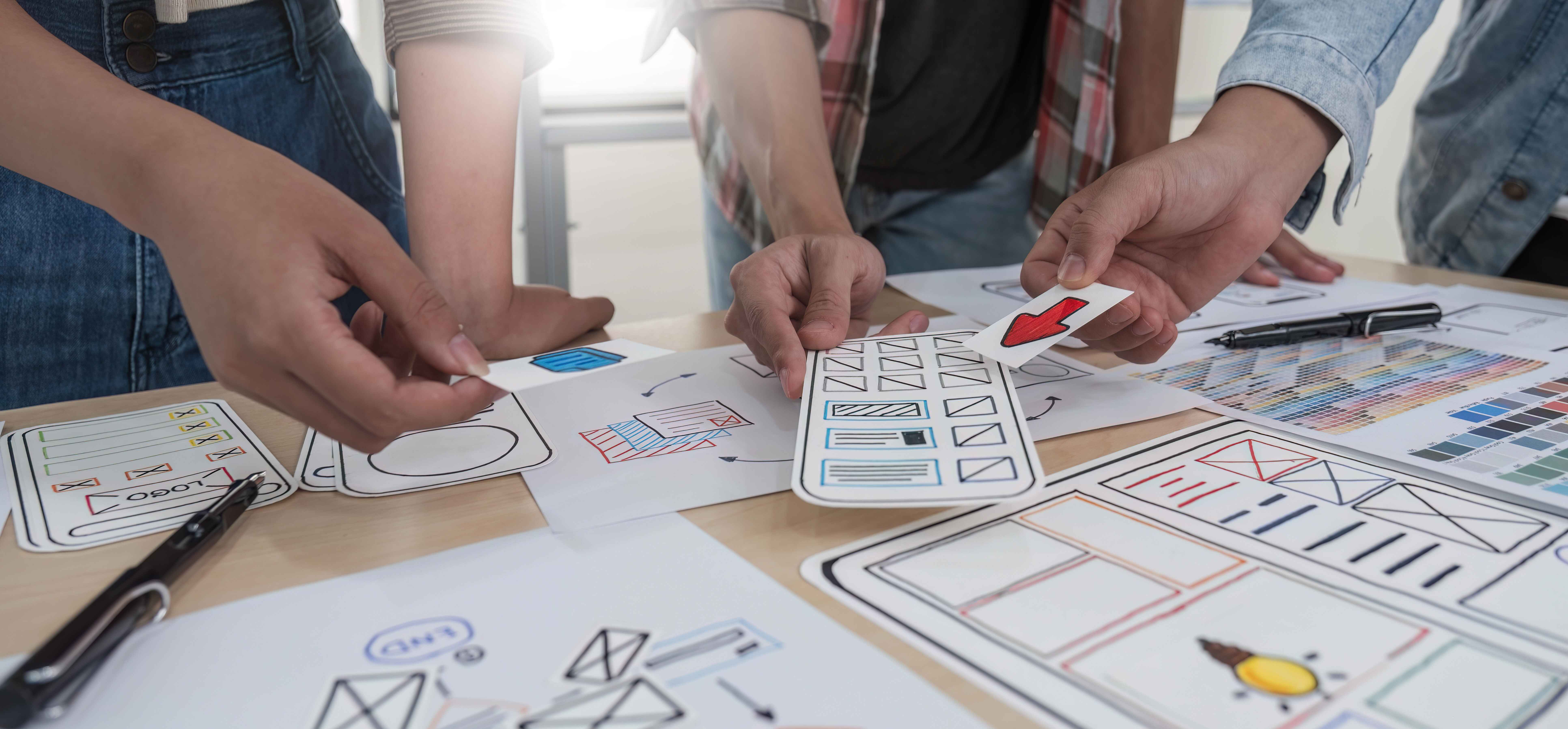
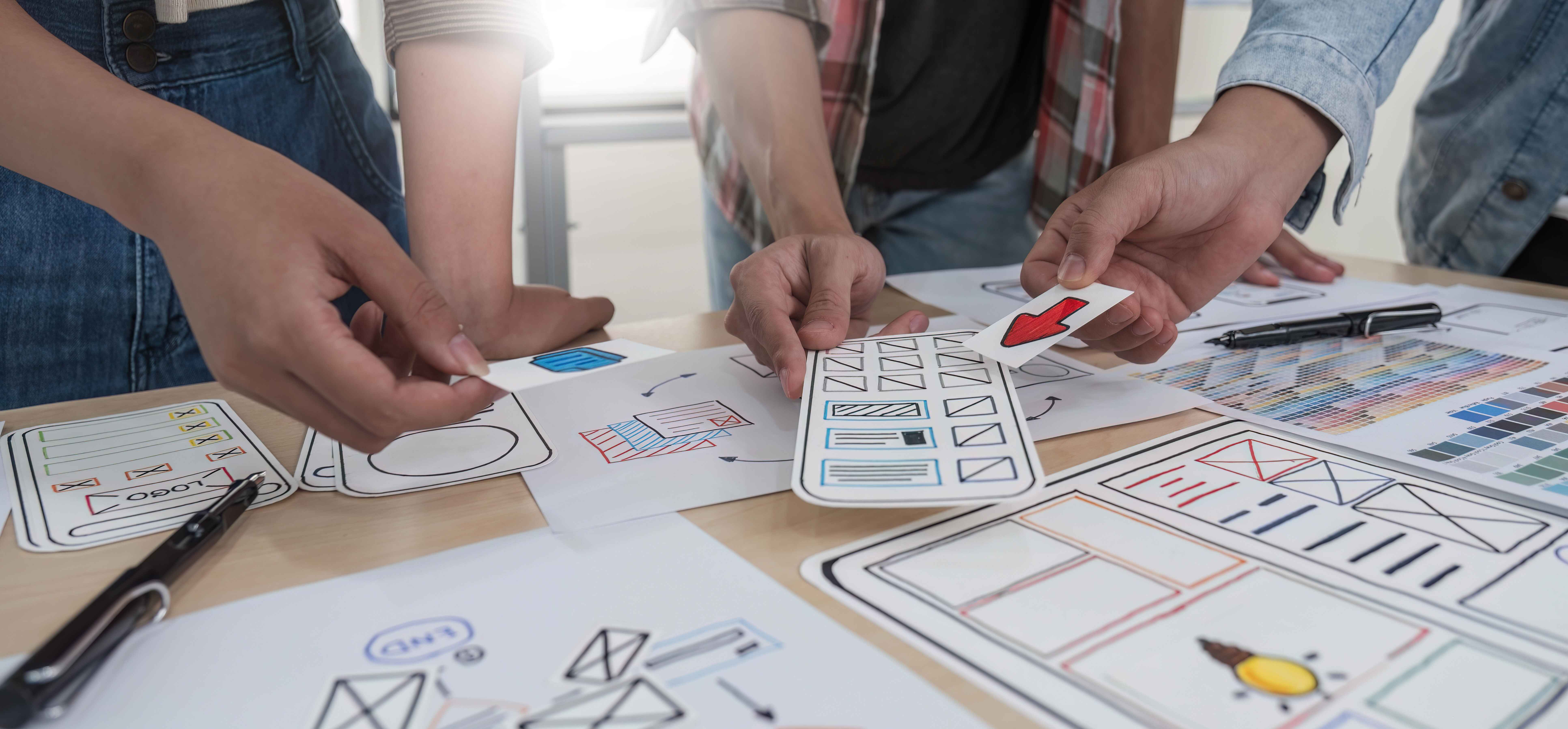
Your brand identity is also related to the user experiences that you give for web, mobile, and emerging platforms like AR/VR. Topics include wireframing, prototyping and interface testing. Figma and Adobe XD are tools that can help you with this.
Sustainable and Inclusive Design
Design, if you are using it in the right way, can also tackle environmental and social concerns. Let’s say your work is around eco-conscious material selection, lifecycle design, and accessibility. It brings together diverse users and communities and also makes sure sustainability remains at the core.
Prototyping and Studio Practice
Your ideas come to life when you work hands-on with digital and analogue tools. You get access to tools for sketching and mockups, to 3D modelling and motion design. Software like Blender, Adobe Suite, Rhino, and CAD can help with these projects.
Design Strategy and Systems Thinking
Though design is creative, now it needs to align with real-world business objectives. So, now, you need to think like a brand to make branding strategies, design roadmaps, and stakeholder presentations.
Alongside these, you’ll also engage in:
Capstone Projects: End-to-end design challenges that simulate real client scenarios
Design Research Labs: Emerging topics like AI can be explored through design, speculative design, or cultural narratives
Collaborative Studios: Become a co-creator with brands, startups, and non-profits.
By the end of the Master's in Design course, you will have a clear design voice and a strong, portfolio-ready body of work.
Career Opportunities after a Master's in Design
A master’s degree in design unlocks high-impact roles across industries.
Career Paths You Can Explore:
UI/UX Designer
Product Designer
Communication Designer
Brand Strategist
Design Researcher
Interaction Designer
Creative Director
Industrial Designer
As design becomes central to user experience, employers want M.Des graduates with both creative and strategic mindsets.
Conclusion
The Master's in Design course is an innovative space if you want your design to solve complex problems and shape digital experiences. M.Des upskills you by giving you direction, structure, and creative freedom.
Interested in shaping what comes next in the world of design?













 ADDRESS