Is Interior Design the Creative Career You’ve Been Looking For?
18 Sep 2025
Imagine entering a charismatic, functional, and cozy home that feels ideal. That's what interior design is all about. In India, where vibrant traditions meet modern living, this field is about creating spaces that reflect our culture, like compact city flats or eco-friendly homes. For students in India, interior design classes are a ticket to a growing and booming industry. Designers have a huge demand as cities grow and there is a strong desire for change. Interior design education aids in converting spaces into beautiful and useful spaces. Courses in interior design are gaining prominence in India where urbanization is thriving at a high rate, increasing the demand for new modes of living and working. Institutions like the School of Design, Manav Rachna International Institute of Research and Studies (MRIIRS) are playing a significant role in shaping the future of the creative professionals.
What does the Interior Design Curriculum include?
Interior Design programs have several variants in India - diploma (3 years), or bachelor's degree (3–4 years), such as B.Sc. or B.Des. in Interior Design. At the School of Design, MRIIRS, these programs combine creativity with technical expertise and hands-on training. It is basically studio-based: students undertake projects that are based on hypothetical scenarios mimicking real projects. You start simple: how a room feels with warm saffron or cool teal colors to the mood, or planning spaces for micro homes in cities; imagine designing a kitchen that helps in easy cooking for Indian families.
Later, you will get into the technicalities of working out drawing plans, building bye-laws, material selection like teak wood or bamboo that is eco-friendly. You learn Indian design history, such as Mughal arches to colonial styles, for linking the past and present. Classes in lighting will teach you using daylight or LEDs to light up a room, or fabric classes will take you from handwoven khadi to sturdy synthetics. Sustainability is paramount, using local material and recycled material. Business classes prepare you for freelancing in a highly competitive market in India. By the time you graduate from MRIIRS, you will be designing big-scale projects, say, a contemporary Indian home, where you throw in all the skills you have learned.
What Skills Will You Get?
Interior design helps you build creative, technical, and professional skills, specifically tailored for Indian purposes. At the School of Design, MRIIRS, the focus is on developing well-rounded designers who can cater to modern as well as traditional needs.
Creative Skills: You will learn to generate designs that feel Indian. For example, an Indian design might combine traditional jute rugs with contemporary furniture. They teach you how to make mood boards and solve problems like designing a family house for four in a tiny apartment in Delhi or designing a beautiful living area ready for a festival.
Technical Skills: Drawing plans, by hand or computer, is the thing you will master. You should draw plans meeting Indian building codes. Things like installation measurements for modular furniture or budgeting for inexpensive tiles require precision. Basic math skills are an added advantage for space and cost planning tasks.
Professional Skills: Putting your ideas across, for example, pitching a colorful bedroom to a client in Kolkata. Working in groups builds your teamwork skills, preparing you to collaborate with contractors. Time management and working with budget clients is huge in India.
What Tools and Software Will You Use?
Interior design in India is an interesting blend of old-world tools with new-world technology. Programs at the School of Design, MRIIRS expose students to software like AutoCAD, SketchUp for 3D models, Revit for team-based projects, and Lumion for highly realistic views. Adobe Photoshop and Illustrator make the finishing touches on presentations.
Students also work with rulers, drafting boards, and samples of Indian marbles or fabrics. Some courses come with 3D printers that allow them to create mini models of furniture and interior details - perfect for customization. With AI-based tools, whether layout recommendations or green-material suggestions, the curriculum at MRIIRS ensures you gain an edge in India’s tech-driven design industry.
Getting Hands-On: Projects, Internships, and Studio Work
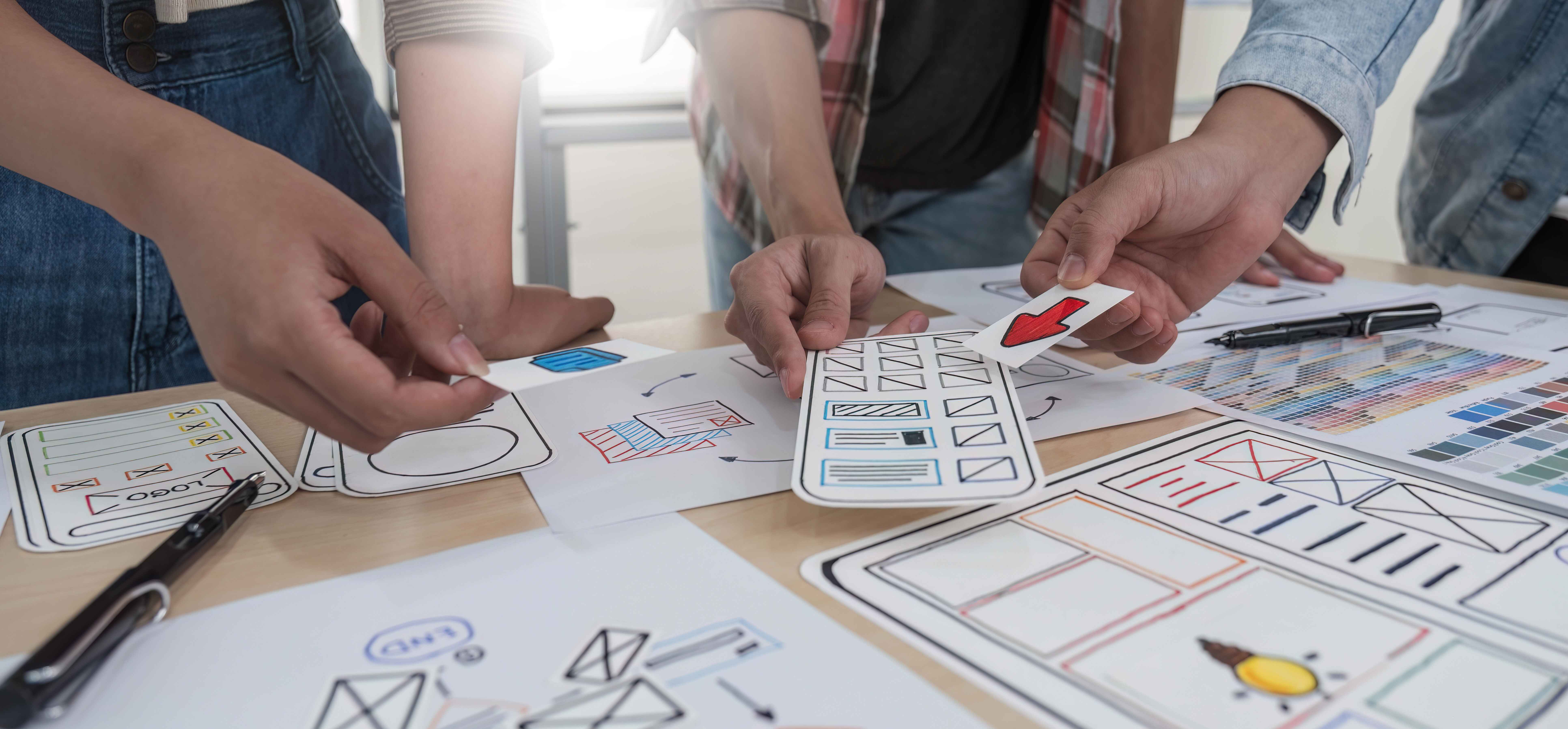
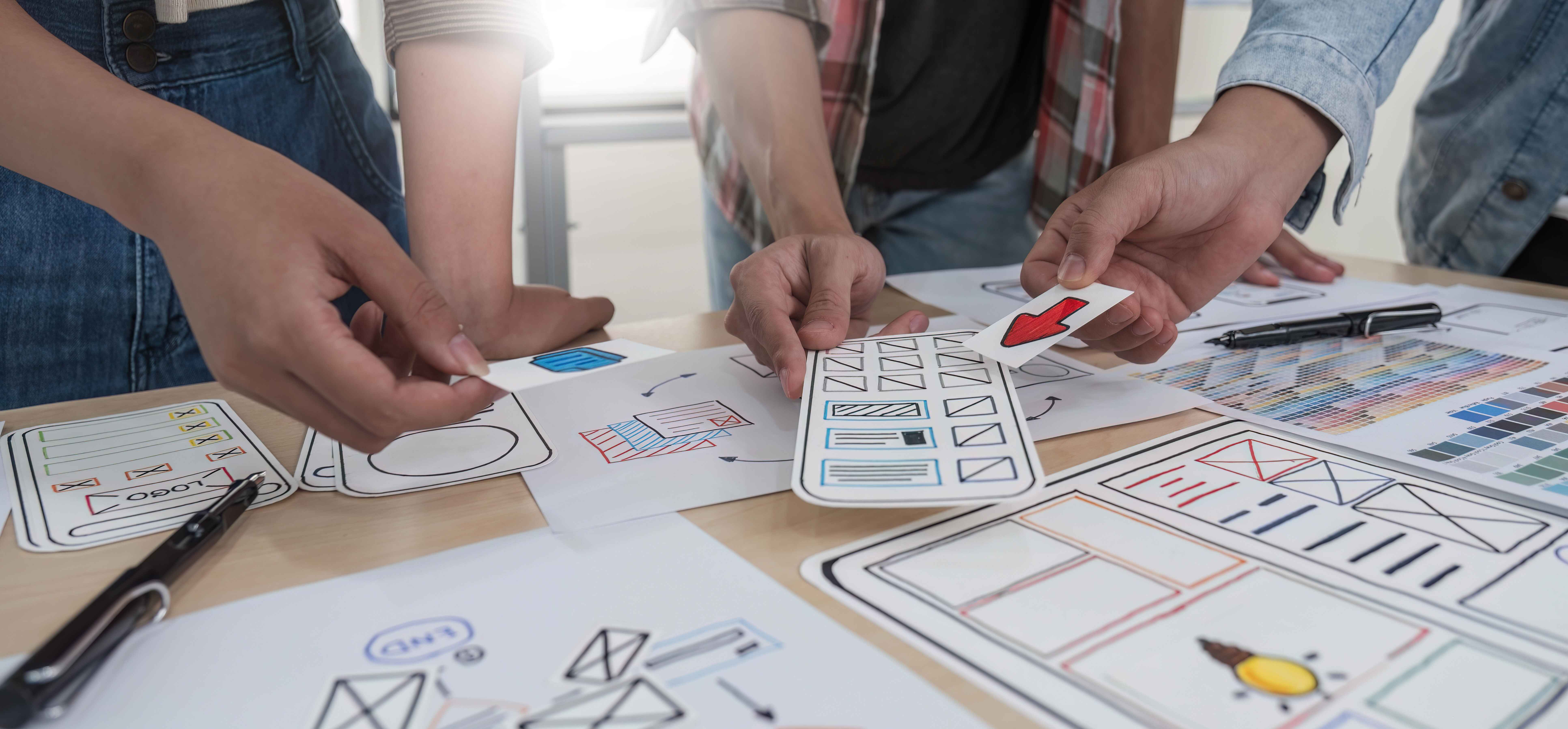
The focus of these classes is experiential learning. Redesigning a farmhouse or a stylish café are examples of studio projects that teach you how to balance client needs, such as Vastu aspects, with aesthetics and costs. Peer review helps you improve your work.
Internships - facilitated by institutions like the School of Design, MRIIRS - give you opportunities with studios in cities like Mumbai and Hyderabad, where you help with site visits or selection of materials like sandstone. You witness how professionals handle vendors and timelines. Some courses arrange visits to furniture markets or heritage sites, such as the forts of Rajasthan, for inspiration grounded in Indian culture. These experiences build your skills and networks, and often lead to jobs.
What Career Paths Can You Explore?
There are a million options for interior designing in India. Graduates from the School of Design, MRIIRS find opportunities in:
Residential Design: Designing cozy apartments in Gurugram or fancy villas in Goa. Freelancing is huge, catering to India’s middle class who want style on a budget.
Commercial Design: Offices, restaurants, or hotels all must suit a brand identity. Grading up, you can design something like clinics or schools with safety as a legal concern.
Sustainable Design: Solar panels and natural cooling—the perfect consideration for hot cities like Chennai.
Specialized Fields: Set designing for Bollywood, making furniture with Indian nuances, or dressing up mall displays. Working for hotel chains, teaching, or starting your own studio is also possible.
Starting salary is ₹3–5 lakh annually and goes higher, ₹10 lakh with experience. The growth in India translates into a lot of jobs in cities and growing small towns.
What Challenges and Opportunities Are Out There?
The field has some real hurdles. Work can slow down when the economy dips. Materials like imported tiles get really pricey. Clients always want that luxury feel but with tight budgets, especially in smaller cities. Balancing the latest trends with cultural aspects like Vastu is tricky.
But institutions like the School of Design, MRIIRS prepare students to tackle these challenges with innovative approaches. Opportunities are thrilling--the construction of India is creating more jobs, green design is creating openings in conservation projects, technology such as AI is accelerating work, and online resources are allowing you to work as a freelancer anywhere in the world. Real growth is achieved by confronting those challenges.
Concluding Reflections on making the leap in interior design
In India, interior design courses prepare you to lead a creative and rewarding career. You will know how to create spaces that people will actually enjoy, whether that is a comfortable home or a cool cafe. Institutions such as the school of design like Manav Rachna International Institute of Research and Studies provide you with the means to shine, whether you are drawing your first room or visualizing your own studio.













 ADDRESS